
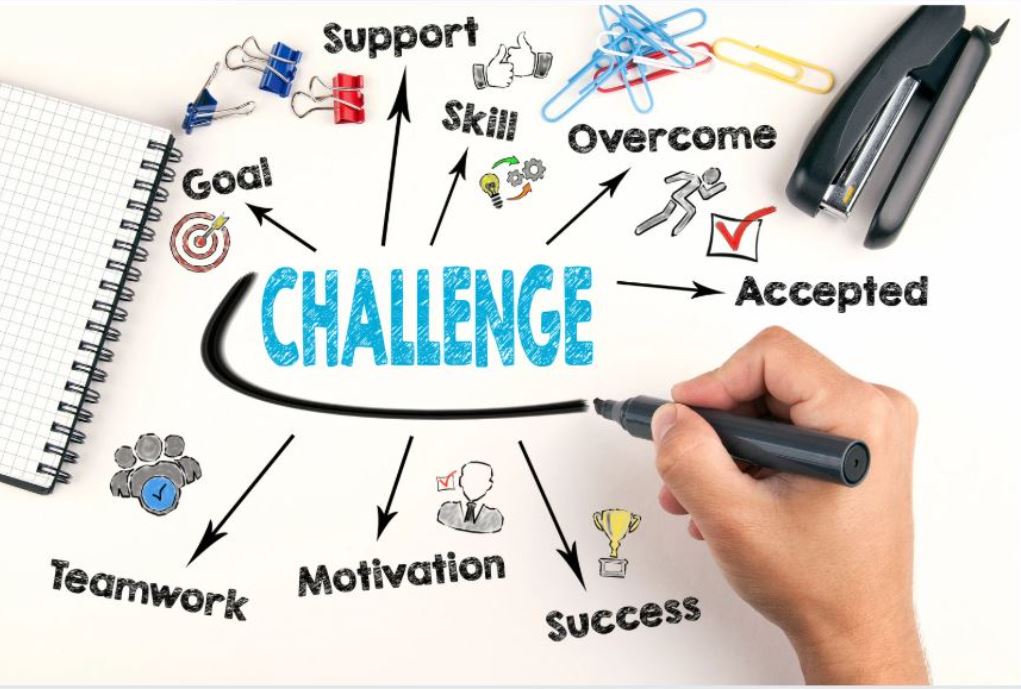

Welcome to the 7 Day Fantastic Challenge. This is one of the simplest yet most powerful mindset tools you will ever learn, and it starts with a question you hear every day.
“How are you?”
Most of us are asked this question dozens of times a day, often without noticing. And just as automatically, we reply with phrases like “I’m fine”, “I’m OK”, or “Not bad”. These responses slip out without intention or awareness. They feel polite, normal, and harmless.
At first glance, they seem insignificant. Yet your brain does not treat words casually. It treats them as information and instruction.
Here is the problem. Your brain takes your words literally. “Not bad” still contains the word bad. “OK” is neutral, flat, and uninspiring. Over time, these small, repeated responses create what we call a negativity loop. Not a dramatic or obvious one, but a subtle pattern of low energy language that reinforces dull or lowered emotional states.
Did you know?
Your brain constantly rewires itself based on repetition. This process is called neuroplasticity. Whatever you repeat, verbally or mentally, strengthens the neural pathways linked to it.
When you repeatedly describe yourself as “fine” or “not bad”, your brain begins to register this as your emotional baseline. It quietly lowers expectation, energy, and engagement. This becomes normal without you ever consciously choosing it.
Now imagine flipping that switch.
Instead of saying “I’m fine”, you respond with something intentionally positive, such as:
“I’m fantastic.”
“I’m marvellous, thank you.”
“I’m really good today.”
This may seem like a small change, but the impact is immediate. Your posture lifts slightly. Your breathing deepens. Your facial expression softens. You feel lighter.
This is not coincidence. Your nervous system is responding to a new signal.
By choosing uplifting language, you interrupt the old loop and begin creating a positivity loop instead. Your brain starts searching for evidence to support the words you are using. At the same time, the person asking you the question feels that shift and often responds more warmly in return.
Your challenge over the next seven days is simple and deliberate.
👉 Every single time someone asks “How are you?”, reply with something fantastic, marvellous, or great.
No exceptions. No overthinking. Just conscious choice.
By the end of this week, you will notice a genuine difference in your energy, your mood, and the way people respond to you. More importantly, you will begin to trust your ability to influence your own emotional state through simple, intentional action.
Now that you understand the foundation of the challenge, let’s dig a little deeper into how all of this works.