


Life and career rarely follow a straight path. More often than not, they take unexpected turns, presenting challenges that can either break us or shape us. In my coaching practice, I see this time and again—people reaching a crossroads, uncertain of what’s next, yet full of untapped potential.
Recently, I worked with a client facing one of these pivotal moments. Their journey—filled with professional uncertainty, personal development, and crucial decision-making—was a testament to resilience, self-awareness, and the power of taking control.
This blog reflects on their experience and the lessons we uncovered together—insights that apply to anyone navigating change in their own life.
Lesson 1: Taking Control of Personal Well-being

When life feels overwhelming, self-care is often the first thing to slip. My client had spent months under significant stress, juggling professional pressures with personal responsibilities, but had finally taken a step toward prioritising their own well-being.
A major personal win was the completion of their home gym, a space dedicated to their health. More than just a fitness project, this became a symbol of self-investment—a tangible commitment to personal growth. With this, they reignited their motivation to exercise and focus on their physical health.
What we learned:
✔ Your environment influences your success. Small changes—like creating a dedicated space for self-care—can have a big impact.
✔ Well-being isn’t a luxury; it’s a necessity. When life gets hectic, prioritising health gives you the strength to tackle challenges.
✔ Taking action, even in small ways, builds momentum. A single step can lead to lasting transformation.
Lesson 2: Facing Professional Uncertainty with Confidence

At the time of our conversation, my client was navigating one of the most challenging phases of their career. They had been working tirelessly but hadn’t closed a deal in six months due to circumstances beyond their control. Their employer, while recognising their effort, had set a 12-week deadline to deliver results or face potential redundancy.
For many, this type of pressure could be overwhelming. But instead of focusing on fear, we shifted the perspective to focus on control:
- What actions were within their power?
- How could they adjust their approach to drive results?
- How could this challenge be used as an opportunity for growth?
Rather than dwelling on frustration, they chose to lean in—refining their sales strategy, strengthening client relationships, and focusing on the deals most likely to close.
They also recognised that this period would serve as a valuable lesson in resilience and adaptability, regardless of the outcome.
Key takeaways:
✔ Setbacks aren’t personal—they’re often about timing and external factors.
✔ Success comes from focusing on what you can control, not what you can’t.
✔ Every challenge is an opportunity to develop
Lesson 3: Learning to Say No
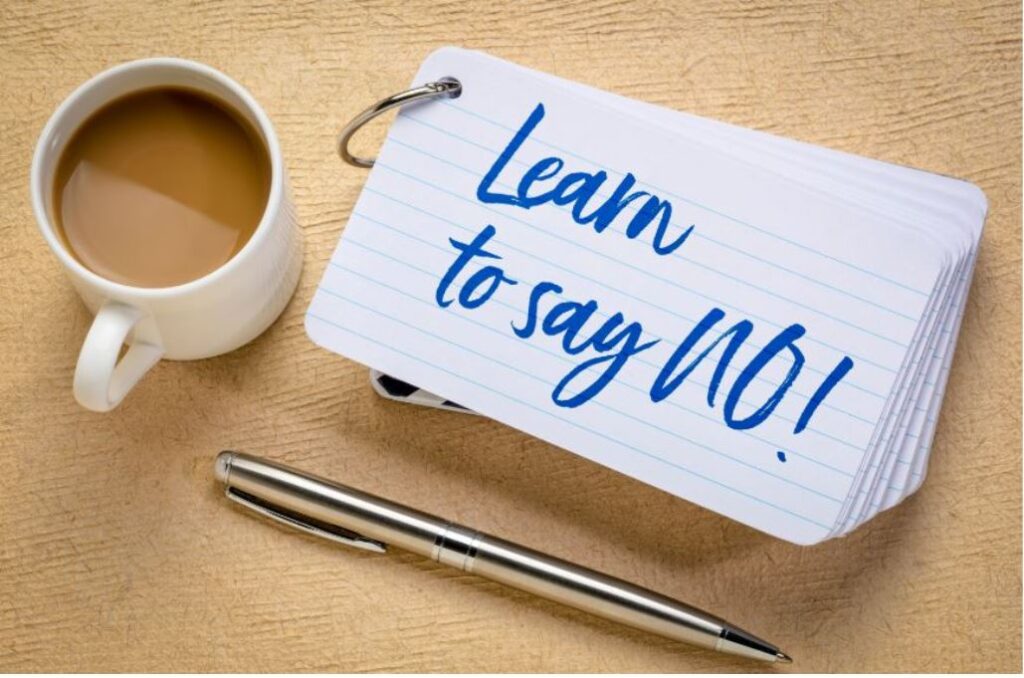
Amidst this career uncertainty, my client received an attractive job offer from a Swedish company. On the surface, it seemed like a great opportunity—working with a well-regarded organisation in a space they were passionate about.
However, when we examined the details, red flags emerged:
- The role was fully remote, with no UK-based team or office.
- They would have to set up their own company, meaning no job security, added tax implications, and financial risks.
- The lack of long-term stability made the move feel uncertain.
This was a defining moment. It would have been easy to accept the offer out of fear, seeking immediate security instead of long-term fulfillment. Instead, they made the courageous choice to decline—trusting that the right opportunity would come.
Lessons learned:
✔ Not every opportunity is the right opportunity. Knowing when to say no is just as important as knowing when to say yes.
✔ Job security and stability matter. Don’t jump into something that could leave you worse off.
✔ Career moves should be intentional, not reactive. The right job aligns with your values, goals, and
Lesson 4: Preparing for the Next Step Before It’s Needed
While remaining committed to their role, my client also recognised the importance of proactively preparing for their future. Rather than waiting for a potential job search to become urgent, they took control by reaching out to 33 targeted companies in their industry before positions were even available.
This old-school, direct outreach approach would:
- Get them in front of decision-makers before roles were advertised.
- Save companies recruitment fees, making them a more attractive candidate.
- Position them as proactive and forward-thinking.
Even if their current role worked out, this strategy would ensure they were never without options.
Key insights:
✔ The best time to look for opportunities is before you need them.
✔ Being proactive puts you ahead of the competition.
Lesson 5: Every Setback is a Setup for a Comeback
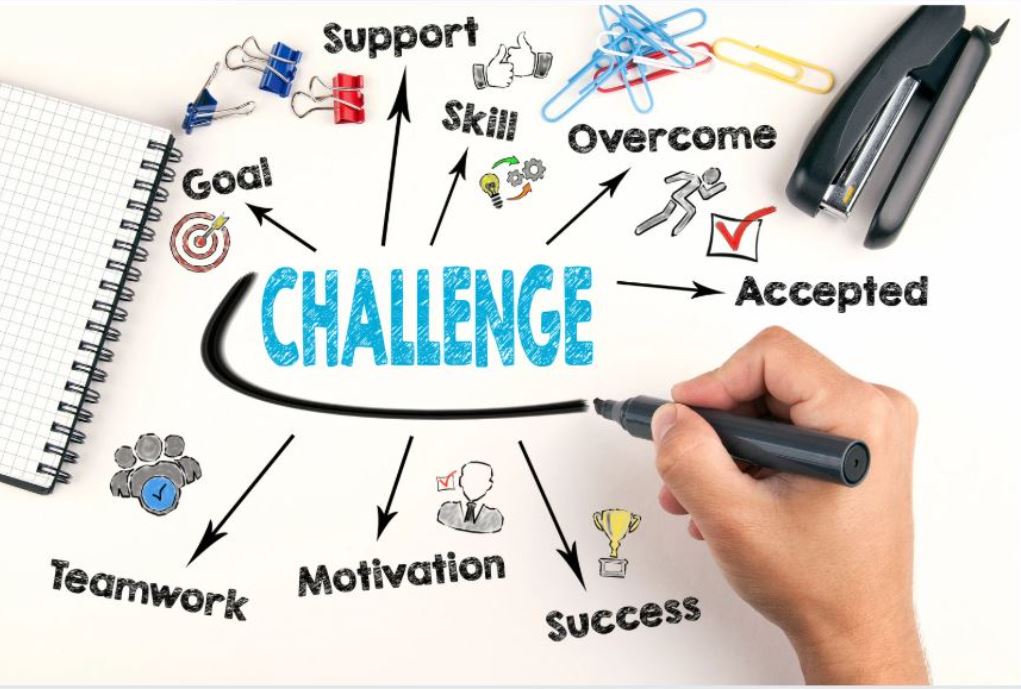
Through this journey, one thing became clear:
💡 Life’s biggest challenges are often the greatest opportunities for growth.
- Professional struggles? They teach you adaptability.
- Missed opportunities? They push you toward better ones.
- Difficult decisions? They help you clarify what truly matters.
My client chose to see their situation as a chance to strengthen their resilience—an opportunity to refine their skills, test their ability to navigate uncertainty, and set themselves up for something greater.
What’s next for them?
✅ Give their all over the next 12 weeks at their current company.
✅ Strengthen job security by proactively reaching out to key industry players.
✅ Explore entrepreneurial ideas as a potential future venture.
✅ Stay committed to personal growth, well-being, and balance.
Whatever the outcome, they are now more in control of their future than ever before.
How You Can Apply These Lessons to Your Own Life
If you’re navigating career uncertainty, personal setbacks, or tough decisions, consider these questions:
✔ What’s within your control right now?
✔ What small actions can you take today to improve your situation?
✔ Are you making choices based on fear, or based on what’s truly best for you?
✔ How can you proactively prepare for the next step in your journey?
Your current challenge is not the end of your story.
💡 Setbacks don’t define you—how you respond does.
Stay proactive. Trust yourself. And never stop moving forward.